
Face Swap vs Deepfake: The Difference, and Is It Legal?
2026-10-27
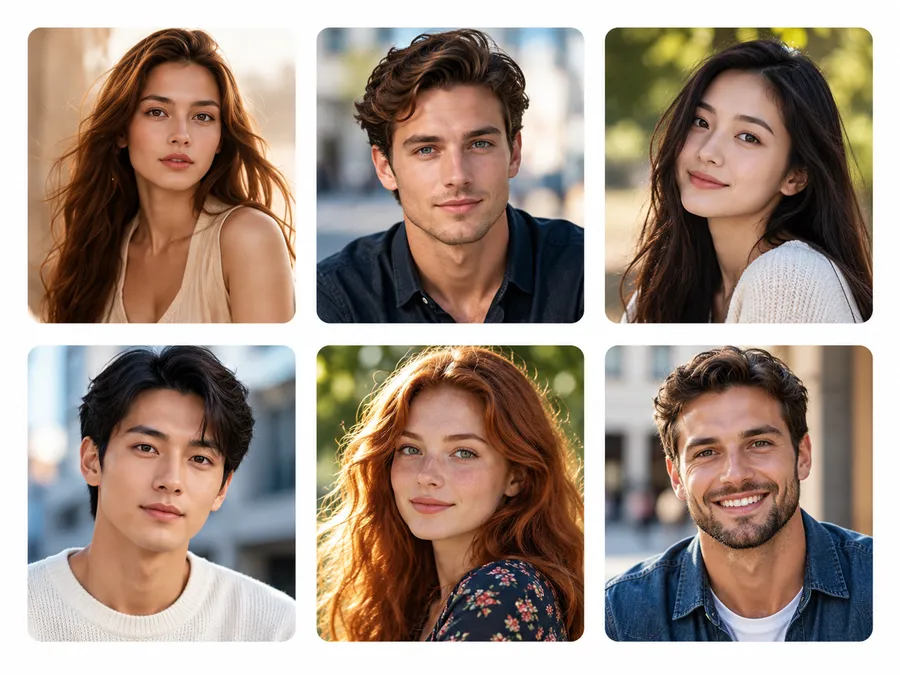
Many deepfakes are face swaps, but most face swaps aren't deepfakes. The software can be the same. What changes is whether the person agreed, and whether anyone is meant to believe the result is real. This guide explains where that line sits, what the law in the UK, US and EU says as of October 2026, and how to keep your own swaps on the right side of it.
This is general information, not legal advice.
What is a face swap?
A face swap replaces one person's face in a photo, GIF or video with another face, while keeping the original pose, lighting and expression. Modern tools use an AI model that rebuilds the new face for the scene instead of cutting and pasting it, which is why a good result doesn't look like a sticker. On QuickFaceSwap a photo takes about 30 seconds; a 10-second 1080p clip took just over a minute and a half in our tests.
Most people use it for small, obvious jokes: a friend dropped into a film poster, a reaction GIF with their own face, a birthday card nobody saw coming.
What is a deepfake?
There is no single legal definition, and researchers don't agree on one either. The EU AI Act comes closest. It describes a deepfake as AI-generated or manipulated image, audio or video that resembles real people, places or events and "would falsely appear to a person to be authentic or truthful". The UK regulator Ofcom sorts harmful deepfakes into three groups: those made to demean, to defraud, or to disinform.
The common thread is deception. A deepfake face swap is one realistic enough to pass as genuine and presented, or likely to be taken, that way.
Face swap vs deepfake: the practical difference
| Everyday face swap | Harmful deepfake | |
|---|---|---|
| Consent | Everyone whose face is used agreed | Often made without the person knowing |
| Purpose | A joke, a card, a costume preview, a meme | To embarrass, scam, sway votes or sexualise someone |
| Presentation | Shared as an obvious edit, often captioned | Passed off as real footage |
| Typical format | A still photo or a short reaction GIF | Often a longer video, sometimes with a cloned voice |
Same technique, different use. That is also how the law approaches it.
Is face swapping legal?
In the UK, the US and the EU, no law bans face swapping as such. The rules target what you do with it: sexual images made without consent, fraud and impersonation, election deception, using someone's likeness to sell something, and defamation. A consensual swap made for fun and shared as an edit is generally lawful. "Generally" is doing real work in that sentence, so get proper advice before anything commercial, political or involving a public figure.
United Kingdom
- Since 31 January 2024, sharing or threatening to share an intimate image that "shows or appears to show" someone without their consent is an offence in England and Wales. That covers deepfakes (Sexual Offences Act 2003, s66B, added by the Online Safety Act 2023).
- Since 6 February 2026, creating a fake intimate image of an adult without consent, or asking someone else to make one, is an offence too, even if it is never shared (s66E, added by the Data (Use and Access) Act 2025).
- The Crime and Policing Act 2026, which received Royal Assent in April 2026, will add an offence aimed at "nudification" tools once it comes into force. Scotland and Northern Ireland have their own laws.
United States
- The federal TAKE IT DOWN Act, signed on 19 May 2025, makes it a crime to knowingly publish intimate images of someone without consent, including AI-generated ones. Penalties go up to two years in prison, or three where the victim is a minor. Since 19 May 2026, covered platforms must remove reported images within 48 hours.
- States add their own layer. Around 30 regulate deceptive election deepfakes, and many protect a person's "right of publicity" against commercial use of their face. Tennessee's ELVIS Act (2024) extended that protection to a person's voice.
European Union
- From 2 August 2026, the AI Act requires those who publish deepfakes, other than for purely personal use, to disclose that they were artificially generated or manipulated. For clearly artistic, satirical or fictional work, a light disclosure that doesn't spoil the piece is enough.
- Under the GDPR, a photo of an identifiable face is personal data, so sharing someone else's picture beyond private, household use can bring the GDPR into play. Asking first is the safe habit.
Six rules for a face swap that stays harmless
- Ask first. Use your own face, or faces of people who said yes.
- No sexual content of real people, and no one under 18. This is where most of the criminal law sits.
- Label it. "Face swap" in the caption costs nothing and, for published content in the EU, may be required.
- Don't sell with someone else's face. A celebrity in your ad is a likeness problem even when everyone can tell it's fake.
- Don't fake evidence. No invented screenshots of someone "saying" something, and no swapped selfies for ID or account checks.
- Delete what you don't need. The fewer copies exist, the less can go wrong later.
What QuickFaceSwap does to prevent misuse
Every upload is checked automatically before anything is swapped. Images with nudity or sexual content are blocked, and nothing is charged. Our Terms of Service ban non-consensual, sexual, impersonating and deceptive content, and we suspend accounts that break them. Uploads and results are deleted 24 hours after they are made, and we don't use them to train AI models.
If you find an image made with our tool that you think breaks these rules, use the report form on our Content Policy page.
How to spot a deepfake
None of these checks is proof on its own, but together they catch many low-effort fakes.
- Edges: look at the hairline, jaw and ears, where the new face meets the original head.
- Light: a face lit from the left on a neck lit from the right is a giveaway.
- Movement: in video, the face can flicker when the head turns quickly or a hand passes in front of it.
- Source: find out who posted it first. A reverse image search often turns up the original photo.
Face swap and deepfake FAQ
Is a face swap the same as a deepfake?
Technically, a deepfake usually uses face swap techniques. In everyday language, "deepfake" means a realistic fake meant to be taken as real, while a face swap is usually an obvious, consensual edit.
Is it illegal to face swap someone without permission?
It depends on what you make and what you do with it. Creating or sharing a fake intimate image without consent is a crime in England and Wales and, for publishing, in the US. A harmless joke photo usually isn't a crime, but it can still break privacy rules or a platform's terms. Ask first.
Can I face swap a celebrity?
For a private joke, usually yes. Don't use their face to sell or endorse anything, and don't present the result as real.
Do I have to label a face swap?
In the EU, deepfakes published other than for purely personal use must be disclosed from 2 August 2026. Elsewhere it is good practice, and it heads off most misunderstandings.
Can a deepfake be detected?
Often, by looking at edges, lighting and movement and by tracing where it first appeared. Detection tools exist, but none is reliable enough to settle the question alone.
Want to try a harmless swap of your own? Put yourself in a reaction GIF, or swap faces in a group photo with everyone's permission.